
The past doesn’t have to feel so present.
EMDR helps you process unresolved experiences so you can experience more freedom in your life today.
In-person therapy in Wilmington and online throughout NC & SC
Does it ever feel like you are fighting yourself?
You may feel caught between what you know and what you feel. Your thinking mind understands that the traumatic experience is over, but part of you continues to brace, scan, or shut down.
You might feel on edge, easily overwhelmed, or like you're reacting before you have time to think. Certain situations, memories, or even seemingly small things can trigger a response that later feels bigger than what was actually happening. At the same time, you may find yourself pulling away from people, avoiding reminders of what happened, feeling emotionally numb, or struggling with intrusive memories that seem to appear out of nowhere.
Part of what's so frustrating is that you understand what's happening logically, but still find yourself stuck. You tell yourself you're safe now, but your body doesn't believe it.
-
Sometimes trauma stems from a specific event, or series of events, that changed the way you experience safety, trust, or the world around you. While life may have moved forward, the impact of what happened can continue to show up in ways that feel confusing, frustrating, or difficult to control.
You may find yourself replaying what happened, avoiding reminders of the event, feeling constantly on edge, experiencing flashbacks, or struggling with anxiety, sleep, concentration, or emotional overwhelm.
Traumatic events can include:
Serious accidents or injuries
Medical trauma or life-threatening illness
Physical or sexual assault
Witnessing violence or a traumatic event
Sudden loss of a loved one
Natural disasters
Pregnancy, birth, or reproductive trauma
Military combat or deployment
First responder or frontline work
Other experiences that felt frightening, overwhelming, or left you feeling powerless
Whether the event happened recently or years ago, EMDR therapy can help you process what happened, reduce its impact on your daily life, and move forward.
-
Not all trauma stems from a single event. Sometimes it develops through repeated experiences during childhood that shaped how you learned to see yourself, relate to others, and navigate the world around you. Even if your childhood looked "good enough" from the outside, you may still struggle with the effects of experiences that left you feeling unseen, unsupported, or unsafe.
Childhood trauma can include:
Emotional neglect, such as having your feelings or needs ignored or overlooked
Physical, emotional, or sexual abuse
Chronic criticism, shame, or rejection
Unpredictable or unsafe caregiving
Parentification or taking on adult responsibilities too early
Growing up with emotionally immature, unavailable, or inconsistent caregivers
Exposure to conflict, addiction, mental illness, or instability in the home
When these experiences happen, they can affect more than your memories—they can shape your self-concept. You may struggle with self-doubt, perfectionism, people-pleasing, difficulty setting boundaries, or a persistent feeling that you're not good enough. Relationships can feel complicated, and it can be hard to trust yourself, trust others, or feel truly secure.
Many adults who experienced childhood trauma identify with Complex PTSD (C-PTSD) or recognize themselves in concepts like Adult Children of Emotionally Immature Parents.
EMDR can help painful experiences feel more like something that happened to you than something you're still living through, while also helping you shift patterns that developed in response to what happened.
-
If you’ve just been through something traumatic, I’m glad you’re here. When a traumatic event has happened recently, it's common to feel like your mind and body are still trying to catch up. You might find yourself replaying what happened, struggling to sleep or concentrate, feeling anxious or on edge, emotionally overwhelmed or numb, or disconnected from yourself or your surroundings. These are common responses to an overwhelming experience.
Recent traumatic experiences can include:
Physical or sexual assault
Gun violence or mass violence
Natural disasters
Serious accidents or injuries
Medical emergencies or unexpected diagnoses
Witnessing a traumatic event
Sudden loss of a loved one
Pregnancy, birth, or reproductive trauma
Other experiences that felt frightening, overwhelming, or life-altering
Early support can make a meaningful difference. EMDR offers specialized approaches for recent traumatic events that can help your brain begin processing what happened while supporting a sense of safety and stability.
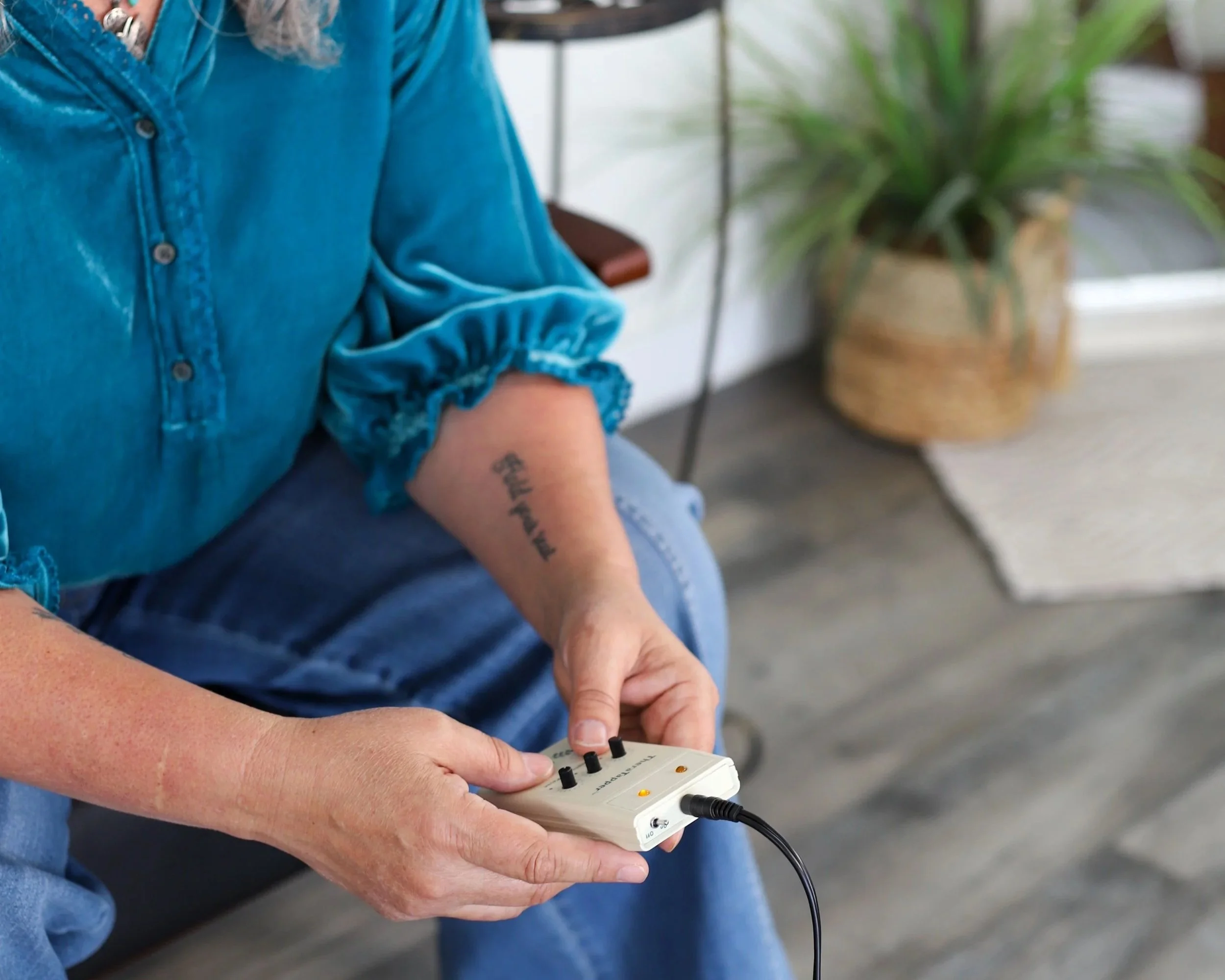

What Healing Looks Like
Memories feel less overwhelming and old patterns lose some of their power.
People find they are able to respond with greater flexibility, trust themselves more deeply, and engage more fully in the life they want to live.
Methodology
What Is EMDR?
EMDR (Eye Movement Desensitization and Reprocessing) is an evidence-based therapy that helps people heal from the effects of trauma. These past experiences can shape how we see ourselves, others, and the world around us. They influence our emotions, reactions, and beliefs in ways that make life feel harder.
EMDR is best known for treating trauma, but many people find it helpful for anxiety, depression, relationship challenges, low self-worth, and other difficulties that may be rooted in past experiences.
Why Do Memories Get Stuck?
Most of the time, our brains and bodies are able to make sense of difficult experiences and eventually move forward. But sometimes an experience is too overwhelming, happens too often, or occurs at a time when we don't have the support we need. When that happens, the impact can continue to show up after the experience itself is over.
How EMDR Helps:
EMDR helps the brain revisit experiences that were overwhelming at the time they occurred and allows them to be integrated in a new way. One thing I often hear from clients is that a memory begins to feel "further away." It actually feels like it’s in the past and no longer has the same intensity. People start noticing shifts in how they think about themselves, relate to others, and respond to challenges.
My approach to EMDR:
My approach integrates EMDR with parts work to explore conflicting feelings and different sides of yourself, attachment-focused therapy, and an understanding of how trauma affects both the mind and body. Whether your trauma stems from a single event or multiple experiences, we'll work to understand how it continues to affect you today. We'll find an approach that honors your strengths, experiences, and goals.
EMDR is woven throughout our work together. While memory reprocessing tends to get most of the attention, it is only one part of the process. Some sessions will focus on understanding your history, building resources, exploring patterns, or addressing challenges that are showing up in your life right now. Other sessions will involve reprocessing past experiences. We'll continually adjust our focus based on your needs and goals.
Throughout the process, our relationship matters. Healing happens in a space where you feel safe enough to be curious, supported enough to take risks, and understood enough to let your guard down. Lasting change doesn't come from fighting against yourself. It comes from creating the conditions for something different.
EMDR therapy can help you:
• Feel less overwhelmed by reminders of the past and more grounded in the present
• Respond with greater choice and flexibility rather than feeling controlled by the past
• Let go of beliefs that no longer fit who you are today
• View yourself and your experiences with greater compassion and understanding
• Develop a deeper sense of safety, self-trust, and confidence in yourself
• Reconnect with the relationships, experiences, and parts of life that matter most to you
• Hold difficult experiences as part of your story without them continuing to define your life
FAQs
-
I’m an EMDRIA Certified EMDR therapist and have maintained my certification for the past three years. Certification goes beyond basic EMDR training and requires additional clinical experience, consultation, and continuing education.
EMDR is an approach I’m deeply invested in, and I continue to pursue advanced training and study to deepen my work.
-
Many people assume trauma only refers to extreme events. In reality, trauma is less about the event itself and more about its impact on you.
For some people, trauma is connected to a single overwhelming experience such as an accident, assault, medical crisis, or natural disaster. For others, it develops through repeated experiences such as chronic criticism, bullying, neglect, an unstable home environment, or other situations that left them feeling unsafe, unsupported, or alone.
If something continues to affect your sense of safety, relationships, emotions, beliefs about yourself, or ability to move through life the way you'd like, it may be worth exploring in therapy. You don't have to compare your experience to someone else's or prove that it was "bad enough" for it to matter.
-
EMDR can be helpful for many types of trauma, including childhood and developmental trauma, accidents and injuries, medical trauma, assault, loss, natural disasters, and other experiences that continue to affect you.
If you have questions about whether EMDR might be helpful for what you’ve experienced, please feel free to reach out.
-
No. EMDR does not require you to share every detail of what happened in order for the work to be effective.
Depending on your experiences, there may be times when talking through certain memories, patterns, or life events is helpful. This is especially true for experiences that developed through repeated experiences and are connected to relationships, family dynamics, or long-standing beliefs about yourself. Even then, you are always in control of what you choose to share and when you share it.
Healing often involves gently turning toward experiences that have been difficult to face rather than continuing to avoid them. You have already survived what happened. My role is to help you approach those experiences with enough support and resources that they no longer feel as overwhelming.
-
The timeline depends on your experiences and goals. Some people come to therapy to work through a specific experience, while others want to explore patterns that have been affecting them for years.
Recent, single-event traumas often take less time to process than developmental & attachment-related trauma. We'll regularly check in on your progress and adjust our work as needed along the way.
-
In some situations, yes. I offer EMDR intensives for new clients who have recently experienced a traumatic event, as well as for existing clients who want additional time to focus on a specific concern or memory. If you're interested, we can discuss whether an intensive would be helpful for what you'd like to work on.